
There is no age of reason. It is an imperialist construct. The so-called ‘age of reason’ actually is the age of imperialism. Imperialism is a highly discriminatory and exploitative system. It can be distinguished, in the scale of human suffering, from the earlier distorted systems like slave-owning city-states, followed by classical empires (Mediterranean), imperial Confucianism and neo-Confucianism (Far East), mysticism-ritualism-casteism (Indian sub-continent), church-feudal diarchy (Medieval Europe), Islamic theocracies and autocracies (Middle East), and many forms of tribalism, animism, and paganism. It is the most inegalitarian, unjust and illiberal, and also the bloodiest age in human history. The irony is that the unimagined scale of discrimination, exploitation, and suffering has been achieved, not only through coercion, but also blind participation of the victims.
Imperialism was born when mercantile capitalism of the white race, from the 16th to 18th century, armed with scientific inventions, borrowed from the Orient like compass (for navigation or looting), gunpowder (for warfare or killing), printing (for proselytization or religious enslavement), and decimal numbers (for calculating the scale of looting, killing, and enslavement), subjugated the other races, exterminating the red, enslaving the black, impoverishing the brown, and harassing the yellow. The three centuries of banditry enriched the new Occidental elite, the merchants and lawyers.
Technology, organisation, and mass hysteria became the weapons of the new elite in the 19th century, as they refined and systematised the methods of exploitation, developing industrial capitalism. Industries were fed by the indigenous white labour and the raw materials produced in white settlements or non-white colonies. The wealth began to flow from the periphery (colonies) to the core (industrial centres), impoverishing the once developed Oriental and pre-American civilisations. This evident form of barbarism was self-labelled as the only civilisation through cultural hegemony.
At the end of the 19th century (Victorian age), the imperialist project encompassed the entire earth. The scale and intensity of exploitation necessitated the emergence of banks, stock markets, and paper currency. Speculation became the most lucrative avenue to amass wealth. Finance capitalism was led by large corporations and international bankers. Industries used assembly lines for mass production, and advertising was used to encourage consumerism. It was a period of great human misery involving two world wars, the Great Depression, the Holocaust, genocides, ethnic and racial riots, xenophobic violence, atomic warfare, famines, et cetera. Communism took advantage of the horrible effects produced by capitalist greed, lust, and competition, promising a utopian dream based on the same principle of materialism. It created further imperialism (Soviet empire), wars, genocides, famines and exploitation.
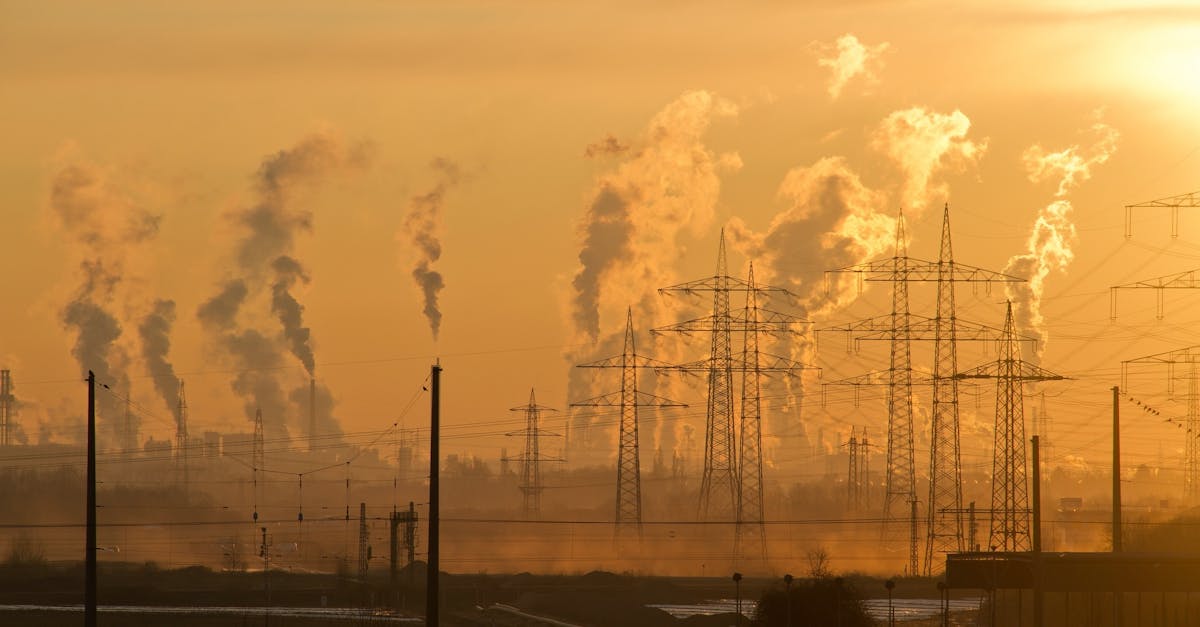
The devastation of the first half of the 20th century exposed the weaknesses of imperialism. The colonised elite turned against its colonial masters. Third World nationalism adopted the modernisation principle, whether in the form of capitalist democracy, socialist authoritarianism, or a mixed economic-political system. What followed was a new type of imperialism: indirect, consensual, gradual, subtle, cultural, and spiritual. Capitalism entered the phase of interdependency (among the imperialist powers) and dependency (of the subjugated nations). The imperial powers (the white West) remained the core, the Third World industrial and commercial centres became the semi-periphery, and the vast hinterland (where the overwhelming majority of the population, say 90% resided) was the periphery, totally deprived of its self-sufficient, traditional economic, social, and political structures. On the other hand, the communist elite, cut off from the imperialist metropolis, preferred autarky and mutual co-operation, but squeezed to the last drop the sweat and blood of the peasants and unorganised working class to maintain their bureaucratic hegemony and utopian five-year plans. The Cold War created a new military-industrial complex, which led to vertical and horizontal proliferation of lethal weapons, profiting the imperialists and causing numerous wars and genocides in the Third World. Modernisation destroyed the cultural fabric of all nations, leading to the commoditisation of women and destruction of stable families (in the name of feminism), ruination of social harmony, increasing prostitution, drug abuse, intoxication, criminalisation and corruption, loss of support for the orphaned, aged and disabled, et cetera. Finally, the ecological balance was irreversibly damaged, the natural resources were depleted, the entire living space was polluted (through fertilisers, pesticides, industrial waste, carbon emissions), and numerous species of flora and fauna were exterminated.
The 1970s were a period of great turmoil due to the unsustainability of state-centric neo-imperialism, which lost support even in the imperialist countries where the traditional society was totally uprooted. An age of extremes set in. On the one hand, radical values like teenage sex, abortion rights, homosexuality, nudity, pornography, et cetera, became more acceptable; on the other hand, religious fundamentalism re-emerged to salvage the remaining traces of human civilisation. Governments issued currencies, no longer backed by any hard assets, and maintained huge budget deficits simply by printing notes (in developed and emerging economies reliant on crude oil imports). Individuals, corporations, and nations became so entangled in consumerism that they carried debts to maintain a modern lifestyle. This was an unstable period in history for the masses, with financial crises occurring every few years.
We live in a hierarchical, hegemonic, and neo-imperialist global order. Globalisation, privatisation, and informatisation processes have led to the creation of a new globalist elite, totally separated from its cultural roots. The Western elite are at the top, with control over the information and communication industries, global financial corporations, high-tech production, and popular brands. Among the emerging economies, China is the factory of the world and India the international BPO, while others, like Russia and Saudi Arabia, are suppliers of precious energy resources. Australia is an exporter of agricultural goods. Most countries are subsistence economies, relying on whatever incentives they have for earning a living, like agriculture, animal-rearing, mining, or tourism.

Disparities of culture and affluence are quite strong. A management professional lives an extravagant lifestyle, while a farmer is forced to commit suicide due to perpetual debt. The globalist elite of bankers, industrialists, and media barons are assisted by organic intellectuals and professionals to maintain this repressive system. Meanwhile, the middle class struggles day and night to save some money, so that their children may get a modern education to join the organic class. The vast majority live with almost no opportunity to rise on the economic ladder.
Contemporary Homo sapiens have become dependent on their senses, carried away by consumption, which is far beyond any rational calculation, and is devastating the biosphere and exploiting their fellow species. The system of exploitation has become very sophisticated, with the exploiters always claiming high moral ground. Let us discuss some examples:
1. The elite and their organic servants murder billions of animals every day to satisfy their palates.

2. They maintain large philanthropic foundations to help the hapless, whose needs are created by them. Without them, the villages would be self-sustaining units, and there would be no urban slums and impoverished migrant workers. They have even forced the governments to stop funding schools and hospitals and subsidising agriculture. As a result, people have become needy, and they offer some token gift to earn a name as a philanthropist.
3. The tobacco and alcohol companies package and advertise their products as health hazards, yet sell them to the public for huge profits.
4. People are lured to consume junk like beer, energy drinks, fast food, etc.
5. China maintains a firewall that stops unwanted cyber intrusion into its society, while other governments feign helplessness as children are fed on pornography, violence, and unsocial values.
6. People are victimising themselves by becoming attached to modern gadgets and edibles that ruin their immune system and make them dependent, when they could easily do without them.
7. Women are enticed to abandon the family and home commitments, so that the elite and the organic class can satisfy their unholy desires. Although promised the moon, many women end up in positions which exploit their sexuality for corporate gains.
Given the plethora of deleterious events in history, as of late and old, which stem from the elitist attitude, we can undoubtedly conclude that a paradigm change is necessary. Greed and lust, the impetus for wanting to exploit nature and people, cannot engender solace at any level. A more compassionate approach must be taken that accounts for the invaluable intricacies of the world around us, then a genuine ‘age of reason‘ might ensue.
Published as “Age of Reason: Imperialism and Vedic Wisdom”, 16 Rounds to Samadhi, San Diego, California, 12 December 2012: http://www.16rounds.com/2012/12/age-of-reason/


No comments:
Post a Comment